PMS and Digestive Issues

4 min
- Tips
- Menstruation
.2026-01-16-11-44-01.webp)
Today, we're diving into that monthly visitor we love to hate - PMS (Premenstrual Syndrome). Premenstrual Syndrome (PMS) is a set of physical and emotional symptoms that occur in the days leading up to a woman's menstrual period. PMS can bring a host of symptoms, including digestive issues like bloating and constipation1.

Understanding the connection between PMS and digestive health is crucial, as it helps us navigate these challenges better. So, let's embark on this informative journey together.
What is PMS?
Let's start with the basics. Premenstrual syndrome (PMS) is a set of symptoms that occurs before your period due to hormonal changes during the menstrual cycle. These hormonal fluctuations, primarily involving estrogen and progesterone, can lead to a variety of symptoms that affect both your body and mind1.
Emotional symptoms might include mood swings, irritability, anxiety, and even depression. On the physical side, you may experience bloating, cramps, headaches, fatigue, and tender breasts. Additionally, PMS can sometimes affect sleep patterns and appetite. It's important to remember that the severity and combination of symptoms can vary greatly from person to person1.
.2026-01-16-11-48-39.webp)
Common Digestive Issues During PMS
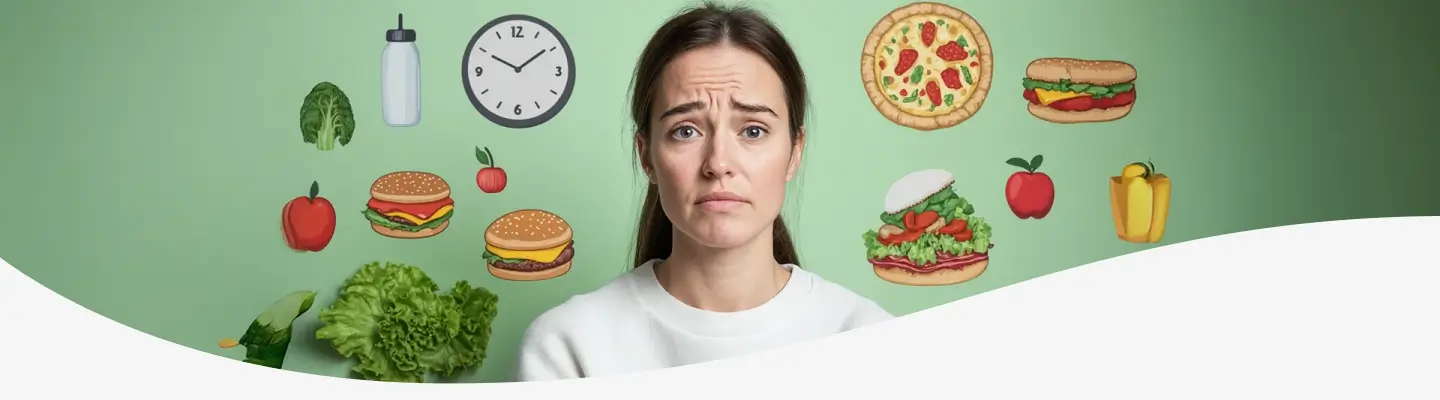
PMS can significantly impact your digestive system. Common digestive issues include1:
- Bloating: This can make you reconsider wearing your favorite skinny jeans.
- Constipation: It can feel like you're carrying a bowling ball.
- Diarrhea: It may leave you sprinting for the toilet at lightspeed.
- Abdominal pain: Cramps and discomfort are often part of the experience.
Hormonal fluctuations during PMS can cause these digestive problems by affecting gut motility and fluid balance. When hormone levels change, they can slow down or speed up the movement of food through the digestive tract, leading to symptoms like bloating, constipation, or diarrhea. Additionally, these hormonal changes can alter the body's fluid retention, contributing to digestive discomfort1.
The Connection Between PMS and Digestive Issues
Explanation of the link between PMS and digestive issues
It boils down to the hormonal changes your body experiences during the menstrual cycle. Both estrogen and progesterone play significant roles. Estrogen is a hormone responsible for the development and regulation of the female reproductive system and secondary sexual characteristics. Conversely, progesterone readies the body for pregnancy by regulating the endometrial lining and supporting the early stages of gestation2.
After ovulation, progesterone levels rise, slowing down the digestive process and causing bloating, constipation, and discomfort. Meanwhile, fluctuations in estrogen can also affect gastrointestinal (GI) tract function. The GI tract, responsible for digestion and absorption of nutrients, can experience altered motility and changes in its microbial composition due to hormonal variations. This can lead to symptoms like bloating, nausea, and changes in bowel habits1.
Influence of stress and lifestyle factors
Additionally, stress and lifestyle factors, such as lack of sleep, poor diet, and high levels of anxiety, can exacerbate PMS symptoms. These factors can compound the discomfort, leading to a more pronounced experience of gastrointestinal issues1.
Understanding PMS: Tackling bloating and constipation
Comprehending the causes of constipation and bloating, particularly during PMS, can significantly aid in managing these symptoms. Understanding the hormonal fluctuations and dietary factors that contribute to these issues allows for more effective strategies in alleviating discomfort. By identifying specific triggers and adopting lifestyle changes, women can better manage their symptoms and improve overall well-being during their menstrual cycles.
PMS often exacerbates conditions like bloating, mood swings, and cramps, making them more uncomfortable. To alleviate symptoms, try eating fiber-rich meals and exercising regularly1,3. Trust us, it makes a difference.
Managing Digestive Issues During PMS
Practical tips for managing and reducing digestive discomfort during PMS:
- Diet Recommendations: Increase fiber intake by incorporating more fruits, vegetables, and whole grains into your meals. Eat smaller and more frequent meals throughout the day and identify and avoid trigger foods that may cause discomfort, such as salt, high-fat items, alcohol, and caffeine4.
- Regular Exercise: Incorporate consistent physical activity into your routine, such as walking, jogging, or yoga. Exercise helps to stimulate digestion and can reduce symptoms of bloating and gas. Aim for at least 30 minutes of moderate exercise most days of the week4.
- Stress Management Techniques: Practice yoga and meditation to manage stress effectively. High stress levels can negatively impact your digestive system, so finding ways to relax and unwind is crucial. Deep breathing exercises, progressive muscle relaxation, and mindfulness practices can also be beneficial4.
And don't forget, a hot water bottle can be a great ally in easing bloating! Applying gentle heat to your abdominal area can soothe cramps and enhance blood flow, providing relief from discomfort. Additionally, consider herbs like chasteberry or ginger that are effective in relieving PMS symptoms4.
How Dulcolax Can Alleviate Constipation During PMS
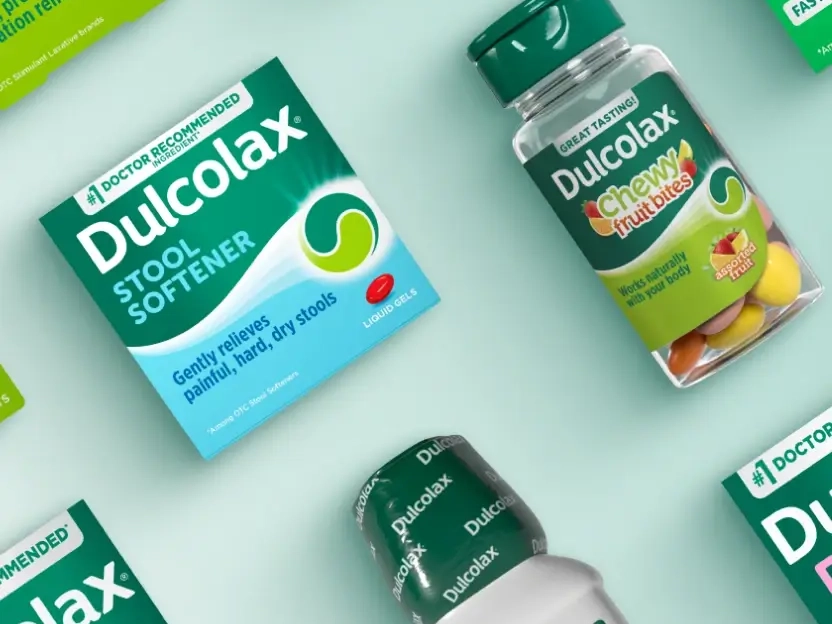
When other methods don't work, Dulcolax may offer relief from constipation and help your digestive system return to normal. Our Dulcolax tablets reactivate your natural gut rhythm when taken at night, providing predictable and comfortable constipation relief. If you prefer a great tasting product, why not try Dulcolax Soft Chews, they work naturally with the water in your body for Fast and Gentle constipation relief in as little as 30 minutes*.
This medication can be particularly beneficial when lifestyle adjustments and dietary changes aren't enough. However, it's important to consult with your healthcare provider before starting any new medication to ensure it's safe and appropriate for your specific situation. Don't worry, they are familiar with these issues and can provide valuable guidance. Taking care of your digestive health is crucial, and professional advice can make a significant difference.
*Works in 30 minutes to 6 hours when used as directed.
Conclusion
Managing PMS and its digestive issues can be challenging. Important points to remember are to maintain a healthy lifestyle, recognize your symptoms, and consider over-the-counter remedies such as digestive aids. Seek help and explore various management strategies to find what works best for you. By taking proactive steps, you can maintain digestive health during PMS and effectively manage discomfort. Hang in there and take charge of your well-being!
.webp/jcr:content/Dulcolax_Website_4_1264x803px%20(1).webp)
Which Dulcolax® is right for you?
Answer few questions about your poop routine and we'll suggest the right product for you.
Sources
- Sanchez BN, Kraemer WJ, Maresh CM. Premenstrual Syndrome and Exercise: A Narrative Review. Women. 2023;3(2):348-364. Available at: https://www.mdpi.com/2673-4184/3/2/26. Accessed: November 26, 2024
- Prior JC. Women’s reproductive system as balanced estradiol and progesterone actions—A revolutionary, paradigm-shifting concept in women’s health. Drug Discovery Today: Disease Models. 2020;32:31-40. Available at: https://www.sciencedirect.com/science/article/pii/S174067572030013X. Accessed: November 26, 2024
- Hashim MS, Obaideen AA, Jahrami HA, et al. Premenstrual Syndrome Is Associated with Dietary and Lifestyle Behaviors among University Students: A Cross-Sectional Study from Sharjah, UAE. Nutrients. 2019;11(8):1939. Available at: https://www.mdpi.com/2072-6643/11/8/1939. Accessed: November 26, 2024
- Premenstrual syndrome (PMS) improves with lifestyle changes-Premenstrual syndrome (PMS) - Diagnosis & treatment. Mayo Clinic. Available at: https://www.mayoclinic.org/diseases-conditions/premenstrual-syndrome/diagnosis-treatment/drc-20376787. Accessed: November 27, 2024
Disclaimer:
Partly generated by Gen AI