Constipation : breaking the taboo and tips for digestive health

4 min

Constipation – an unspoken problem for many adults – is often hidden due to societal taboos. Yet, the gritty reality is that this common issue, with its various types, affects our quality of life, mood, and overall wellbeing. It’s high time we flush out the embarrassment and psychological fear of judgment that surrounds constipation.

Addressing this societal and cultural stigma is crucial for improving both our physical and mental health1.
Unlocking the mystery: types of constipation and causes
First, let's explore the basics of constipation. Medically, it can be categorized into two types: functional and secondary constipation.
Functional constipation occurs when your bowels are misbehaving without any underlying disease, while secondary constipation is linked to other health issues. In other words: if you imagine your bowels as a traffic system, functional constipation is like a traffic jam with no apparent cause—everything's just slowed down without an obvious reason. Secondary constipation is when the slowdown is due to roadblocks caused by other health issues2,3.
To address constipation, a few lifestyle adjustments can be quite effective: establish a regular bathroom schedule, increase your fluid intake, and incorporate fiber-rich foods into your diet2. However, these changes may not always suffice—and that’s perfectly okay.
Fortunately, there are a variety of treatments available, ranging from fiber supplements and laxatives to behavioral therapies and even biofeedback, a more advanced technique that uses real-time feedback to help you gain control over bowel functions2,3. With these diverse options, everyone can find an effective solution tailored to their needs.

How to overcome the taboo around constipation and digestive health
Are you ready to talk openly about constipation? Breaking the silence is difficult, but crucial. By fostering open dialogue, we can challenge stigmas and promote understanding. Open conversations can lead to better health outcomes and reduce the embarrassment often associated with this common issue. Creating a supportive environment encourages others to share their experiences and seek help.
Digestive health: the power of education and awareness
Knowledge is power, as they say. By educating ourselves about digestive health, we empower ourselves to dispel myths, reduce stigma, and address constipation directly1. Understanding its root causes, recognizing symptoms, and learning about effective treatments are crucial steps in this journey. Awareness also helps us make informed decisions about our diet, lifestyle, and when to seek professional help, ultimately leading to better overall health.
Fostering open conversations about bowel health
Talking openly about bowel health with family, friends, and healthcare providers can be life-changing and greatly enhance your well-being. Want to give it a try? Here are some tips to make those sensitive health talks a bit easier:
- Be prepared: Gather info from credible sources so you can talk about your concerns with confidence. Start by checking out medical websites and health books to get a good grasp of the issue.
- Choose the right setting: Find a quiet, private space where you feel comfortable and secure.
- Communicate clearly: Share your feelings and experiences honestly.
- Listen actively: Value their input and appreciate their support.
You can be proud of yourself. By embracing open and honest dialogue, you cultivate a supportive environment that enhances understanding and promotes effective health management.
Getting the right help for constipation issues
Managing constipation doesn't have to be a solitary struggle—professional support can make all the difference. For example, gastroenterologists and dietitians are equipped to offer medical advice and dietary plans that can effectively manage and alleviate constipation. Therapists and support groups provide crucial emotional support, helping to ease constipation-related anxiety. Don't hesitate to seek out these resources; your comfort and health are paramount. Reach out to local clinics, online forums, or community health centers to find the help you need. Remember, taking that first step towards professional support can lead to significant improvements in your well-being.
What are the solutions for constipation relief
There are a variety of options available for managing constipation. At the forefront are lifestyle interventions3,4, which include dietary changes, such as:
- Increasing fiber intake
- Incorporating more fruits, vegetables, and whole grains
- Regular exercise
- Increased fluid intake
- Establishing a consistent bathroom routine
- Avoiding excessive intake of processed foods
- Reducing stress through mindfulness or relaxation techniques
- Ensuring adequate sleep
These non-pharmacological measures play an essential role in promoting regular bowel movements and overall digestive health. A diet rich in fiber helps add bulk to the stool, facilitating easier passage through the intestines5.
Regular physical activity, such as walking, jogging, or cycling, stimulates the natural contraction of intestinal muscles, promoting regularity. Adequate hydration is crucial as it helps soften stools, making them easier to pass5.
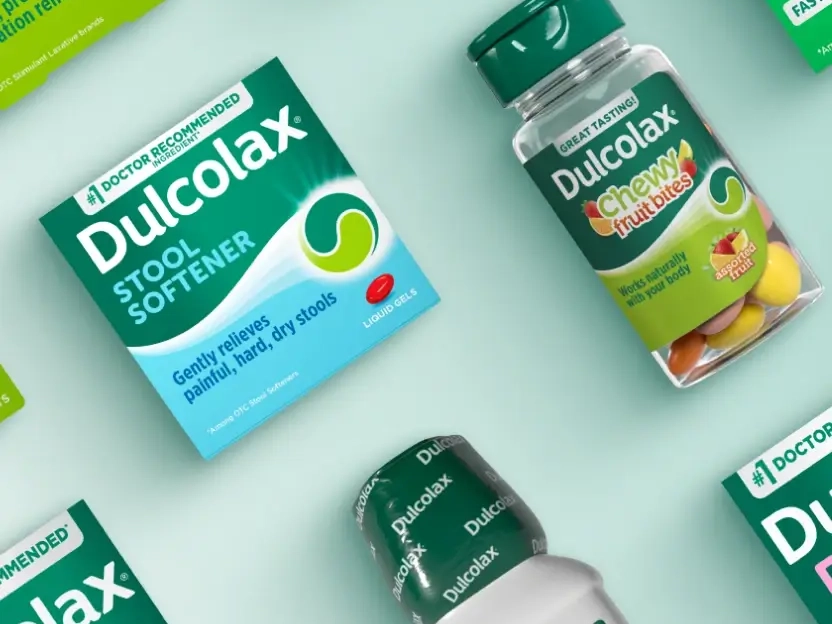
When lifestyle interventions aren't working, stimulant laxatives increase bowel muscle contractions to move the stool along. Stool softeners help mix fluid into stools to prevent hard, dry stools2.
Our Dulcolax tablets reactivate your natural gut rhythm when taken at night, providing predictable and comfortable constipation relief. If you prefer a great tasting product, why not try Dulcolax Soft Chews for gentle and effective constipation relief, working naturally with the water in your body and providing relief in 30 minutes to 6 hours when used as directed.
In summary, managing constipation effectively requires a comprehensive approach that may combine lifestyle interventions, pharmacological treatments, patient education, and regular follow-ups. By adopting a multifaceted strategy, individuals can achieve better digestive health and overall well-being.
In conclusion, by addressing the anxiety often associated with constipation, dismantling the stigma, and emphasizing holistic health, we can make significant progress toward a healthier lifestyle. Remember, discussing constipation isn't a sign of weakness—it's a courageous step toward better health. Let's normalize this conversation and move together toward well-being.
.webp/jcr:content/Dulcolax_Website_4_1264x803px%20(1).webp)
Which Dulcolax® is right for you?
Answer few questions about your poop routine and we'll suggest the right product for you.
Sources
- Lin JN, Xie WT, Yang YY, Wu CH, Wang JJ. Living with constipation and communication taboos surrounding constipation among older adults: An interpretive phenomenology analysis study. Geriatric Nursing. 2024;58:266-273. Available at: https://www.sciencedirect.com/science/article/pii/S0197457224001162. Accessed: November 20, 2024
- Mounsey A, Raleigh M, Wilson A. Management of Constipation in Older Adults. afp. 2015;92(6):500-504. Available at: https://www.aafp.org/pubs/afp/issues/2015/0915/p500.html. Accessed: November 20, 2024
- Vriesman MH, Koppen IJN, Camilleri M, Di Lorenzo C, Benninga MA. Management of functional constipation in children and adults. Nat Rev Gastroenterol Hepatol. 2020;17(1):21-39. Available at: https://www.nature.com/articles/s41575-019-0222-y. Accessed: November 20, 2024
- Constipation. nhs.uk. Published online October 20, 2017. Available at: https://www.nhs.uk/conditions/constipation/. Accessed: November 20, 2024
- Constipation symptoms and treatments. NHS inform. Available at: https://www.nhsinform.scot/illnesses-and-conditions/stomach-liver-and-gastrointestinal-tract/constipation/. Accessed: November 19, 2024
Disclaimer:
Partly generated by Gen AI