 10

Why Do Holidays Cause Digestive Discomfort?
Holiday periods tend to combine rich, heavy food with irregular schedules, less sleep and higher stress, all of which may slow bowel movements. Overeating salty, fatty or low-fiber dishes can make stools harder to pass. During holiday celebrations, meals that include lechon, hamon, fried dishes, rich sauces and sweet desserts may be enjoyed more frequently than usual, while fruits, vegetables and other fiber-rich foods may appear less often on the plate.
Constipation is one of the most common gastrointestinal complaints. According to research published in the Journal of Epidemiological Research, estimates of constipation prevalence range from 2.6% to 31.0% in general adult populations and from 4.4% to 44.5% in older adults2. During festive periods, changes in diet and routine can make this occasional digestive discomfort more noticeable. A few practical steps may help restore your natural rhythm.
What Causes Constipation When Traveling?
Travel-related constipation is common and often results from a combination of disrupted routines, dehydration, and changes in diet. Long periods of sitting with reduced physical activity and irregular mealtimes may all slow the digestive process. Drinking less water, especially during flights, can harden stools and make bowel movements more difficult. Trying to maintain regular hydration, movement, and meal schedules while traveling may help support digestive comfort.
How to Relieve Constipation After Overeating
To relieve constipation after overeating, focus on hydration, fiber, gentle movement, and stress management first. If discomfort continues, a stimulant laxative may offer temporary relief when used as directed. Consider the following approaches:
1. Rehydrate Throughout the Day
Rich holiday meals and salty snacks can leave you dehydrated, which may harden stools. Drinking water consistently throughout the day could help soften stools and support smoother bowel movements. Herbal teas and water-rich fruits may also contribute to your daily fluid intake.
2. Add More Fiber Gradually
Fiber adds bulk to stools and may help them pass more easily. Whole grains, vegetables, fruits and legumes are helpful additions to festive plates. Increase fiber slowly and pair it with plenty of water, since adding fiber too quickly can sometimes lead to bloating and gas.
3. Keep Moving
Physical activity may stimulate the muscles in your digestive tract, helping to keep things moving. Even a short walk after a big meal could support healthy digestion. Building light movement into busy holiday days may make a noticeable difference.
4. Manage Holiday Stress
Stress and disrupted routines can affect gut function. Simple habits like regular sleep, mindful breathing, and setting aside quiet moments may help support digestion. Keeping meal and bathroom routines consistent—even while traveling—could also help.
5. Consider a Clinically Studied Option for Occasional Relief
When lifestyle measures are not enough, and over-the-counter laxative may help provide temporary relief from occasional holiday constipation. Dulcolax® contains bisacodyl, a stimulant laxative designed to act directly in the colon by stimulating bowel movements and increasing water and salt flow into the intestines to help soften stool3,9.
Bisacodyl (Dulcolax) is a clinically studied option for the relief of occasional constipation. Dulcolax® Coated Tablets are designed to provide overnight relief, typically working within six to 12 hours, while Dulcolax® Suppositories are intended for faster relief in about 10 to 30 minutes. When used according to the label, Dulcolax® is generally well tolerated. Always use as directed and remember that individual results may vary.
What Foods May Help Ease Digestive Discomfort?
Fiber-rich and water-rich foods may help ease digestive discomfort after eating. Consider adding these to your holiday plate:
- Fruits such as papaya, pears and berries
- Vegetables like leafy greens, carrots and squash
- Whole grains including brown rice and oats
- Legumes such as beans and lentils
- Fluids like water and herbal tea
Balancing indulgent dishes with these options may help support a smoother digestive routine during festive gatherings.
What Is Constipation Medicine and How Does It Work?
Constipation medicine refers to over the counter or prescription treatments that may help stimulate or ease bowel movements. Stimulant laxatives like bisacodyl—the active ingredient in Bisacodyl (Dulcolax), are designed to act directly on the colon wall, promoting contractions and increasing fluid in the intestines to soften stool3,9. Other types include osmotic laxatives, stool softeners, and bulk-forming agents. The right option depends on the type and cause of constipation, so consulting a pharmacist or doctor is advisable if you are unsure.
When Should You See a Doctor?
Occasional constipation is common and often eases with simple changes. However, for persistent, severe or unusual symptoms—or if constipation lasts longer than expected—consult your doctor or pharmacist. A healthcare professional can offer personalized advice, especially if you are pregnant, managing a health condition or caring for a child.
Conclusion
Holiday celebrations can be hard on your digestive system, but a few thoughtful habits may help you feel more comfortable. Prioritizing hydration, fiber, movement, and stress management can support your body's natural rhythm, and a clinically studied option may help when occasional relief is needed.
Bisacodyl (Dulcolax) is a trusted, clinically studied constipation treatment available in more than 90 countries and the #1 non-prescription laxative brand in the Philippines12. Backed by research on bisacodyl and designed to work gently with your body, Bisacodyl (Dulcolax) aims to support your digestive comfort so you can enjoy the season with greater ease. For personalized advice, always consult your doctor or pharmacist.
If symptoms persist, consult your doctor.
MAT-PH-2601274 / Ver 1.0 / DA 09-2026 / DM 09-2026
Opella Healthcare Philippines Inc.
Frequently Asked Questions
Occasional constipation after overeating is often temporary and may improve within a few days once hydration, fiber and movement return to normal. If symptoms persist beyond a week or feel severe, it is best to consult a healthcare professional for personalized guidance.
Yes, overeating—especially low-fiber, fatty or salty foods—may slow digestion and contribute to constipation. Combined with dehydration, less movement, and holiday stress, these factors can make bowel movements more difficult. Adding fiber and fluids may help ease this discomfort.
Bisacodyl (Dulcolax) contains bisacodyl, a stimulant laxative designed to act directly in the colon. Bisacodyl stimulates bowel movements and increases water and salt flow into the intestines, which may help soften stool and ease occasional constipation3,9. Always use as directed.
Timing depends on the product. Dulcolax® Coated Tablets are designed for overnight relief, typically within six to 12 hours, while Dulcolax® Suppositories are intended to work faster—in about 10 to 30 minutes. Individual responses can vary.
Nonprescription laxatives like Bisacodyl (Dulcolax) are generally well tolerated by most people when used occasionally and as directed10. Use them as needed according to the label and consult your doctor or pharmacist if symptoms persist or if you have ongoing health concerns.
Staying hydrated, eating fiber-rich foods, moving regularly and managing stress may help support regular bowel movements while traveling. Keeping meal and bathroom routines consistent, even on the go, could also reduce the likelihood of digestive discomfort. If lifestyle measures aren't enough, a short-term laxative option like Bisacodyl (Dulcolax) may help when used as directed.
Nonprescription laxatives like Bisacodyl (Dulcolax) are generally safe, effective, and widely tolerated when used as directed10. They are intended for occasional use to relieve constipation. For ongoing or unclear symptoms, consult your doctor or pharmacist for guidance.
Dulco® range of solutions
Talk with the doctor before giving your child any kind of over-the-counter medicine for constipation4. However, it is often necessary to use laxative medication to help constipated children achieve regular bowel movements. Discover Dulcolax® range of solutions.
-
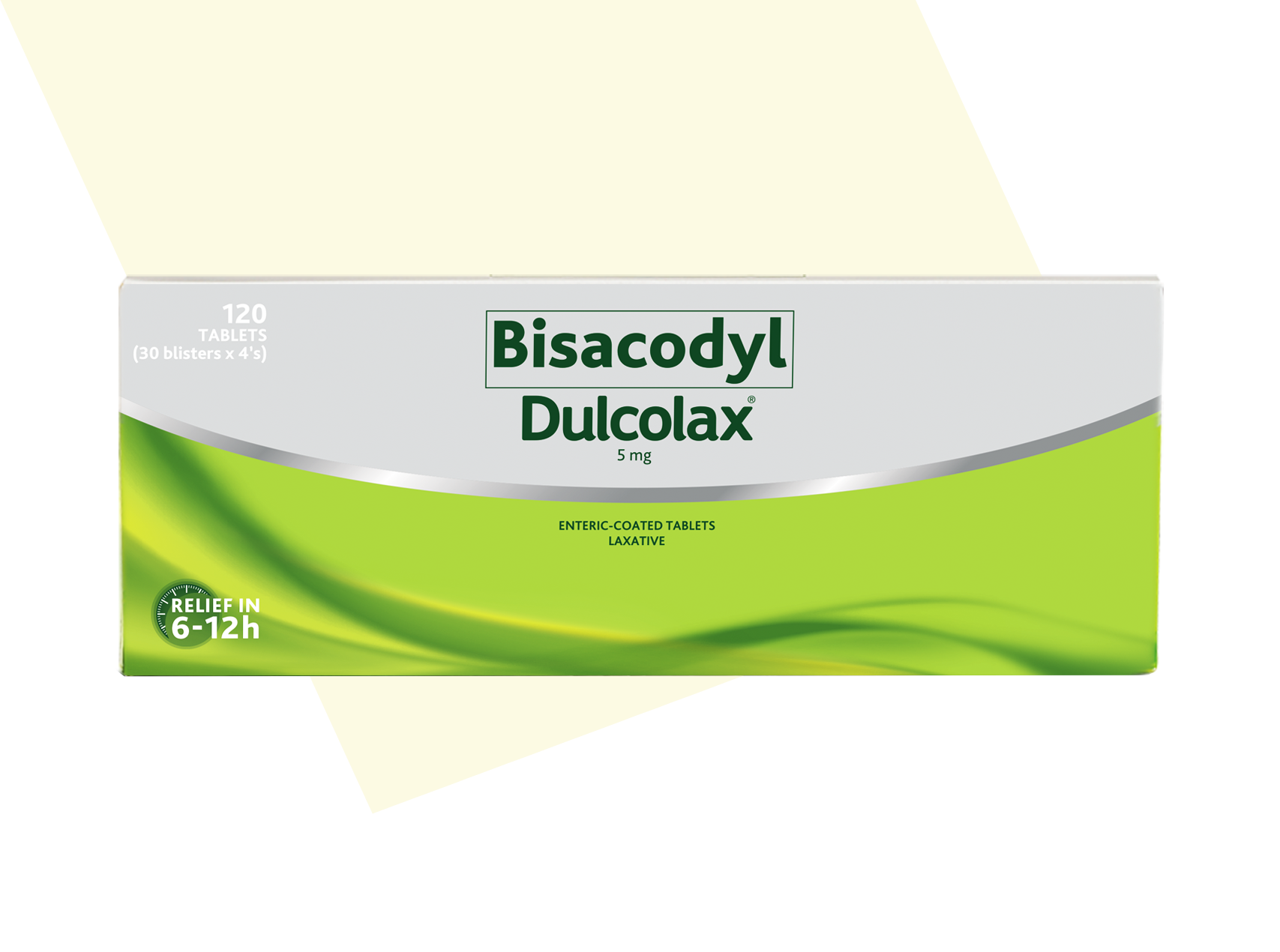
Dulcolax® Coated Tablets
Stimulates bowel movements by helping facilitate transit and evacuation of the stool overnight (between 6-12 hours)

Dulcolax® Adult Suppositories 10 mg
Stimulates bowel movements by helping facilitate transit and evacuation of the stool in about 20-30 minutes.
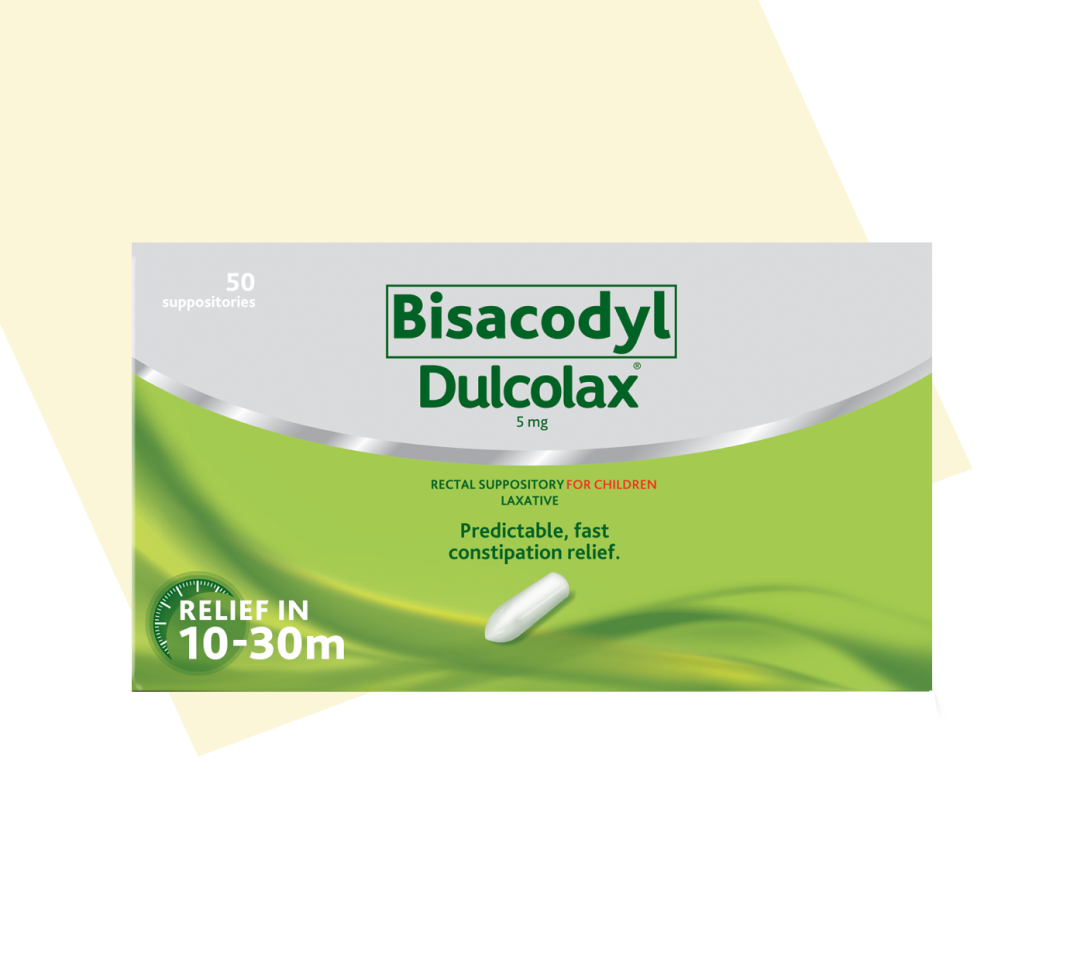
Dulcolax® Pedia Suppositories 5 mg
Stimulates bowel movements by helping facilitate transit and evacuation of the stool in about 20-30 minutes.
-
Dulcolax® Coated Tablets
Stimulates bowel movements by helping facilitate transit and evacuation of the stool overnight (between 6-12 hours)
-
Dulcolax® Adult Suppositories 10 mg
Stimulates bowel movements by helping facilitate transit and evacuation of the stool in about 20-30 minutes.
Dulcolax® Pedia Suppositories 5 mg
Stimulates bowel movements by helping facilitate transit and evacuation of the stool in about 20-30 minutes.
Learn more about occasional constipation
Here you find answers to some of the most common questions about it. We offer guidance to you on how to get rid of constipation and how to maintain regularity.

What is occasional constipation?
Constipation is characterized by uncomfortable or irregular bowel movements (no bowel movement between 2-3 days). Whatever your symptoms and complaints of constipation are, it can be very uncomfortable and annoying when stool is hard to pass.

How to manage occasional constipation in adults?
Occasional constipation can happen to anyone from time to time. Because we know how frustrating and stressful these periods can be, we can help identify the causes for constipation and how to prevent them.

How to deal with constipation in children?
Constipation is a very common problem in kids. It usually isn't a cause for concern.
- Wald, A., Scarpignato, C., Mueller-Lissner, S., Kamm, M. A., Hinkel, U., Helfrich, I., Schuijt, C., & Mandel, K. G. (2008). A multinational survey of prevalence and patterns of laxative use among adults with self-defined constipation. Alimentary Pharmacology & Therapeutics, 28(7), 917–930. https://doi.org/10.1111/j.1365-2036.2008.03806.x
- Werth, B. L. (2019). Epidemiology of constipation in adults: Why estimates of prevalence differ. Journal of Epidemiological Research, 5(1), 37–49. https://doi.org/10.5430/jer.v5n1p37
- Kamm, M. A., Mueller-Lissner, S., Wald, A., Richter, E., Swallow, R., & Gessner, U. (2011). Oral bisacodyl is effective and well-tolerated in patients with chronic constipation. Clinical Gastroenterology and Hepatology, 9(7), 577–583. https://doi.org/10.1016/j.cgh.2011.03.026
- Müller-Lissner, S. A., Kamm, M. A., Scarpignato, C., & Wald, A. (2005). Myths and misconceptions about chronic constipation. American Journal of Gastroenterology, 100(1), 232–242. https://doi.org/10.1111/j.1572-0241.2005.40885.x
- Camilleri, M., Ford, A. C., Mawe, G. M., Dinning, P. G., Rao, S. S., Chey, W. D., Simrén, M., Lembo, A., Young-Fadok, T. M., & Chang, L. (2017). Chronic constipation. Nature Reviews Disease Primers, 3, 17095. https://doi.org/10.1038/nrdp.2017.95
- Corsetti, M., Landes, S., & Lange, R. (2021). Bisacodyl: A review of pharmacology and clinical evidence to guide use in clinical practice in patients with constipation. Neurogastroenterology & Motility, 33(10), e14123. https://doi.org/10.1111/nmo.14123
- Andresen, V., & Layer, P. (2018). Medical therapy of constipation: Current standards and beyond. Visceral Medicine, 34(2), 123–127. https://doi.org/10.1159/000488695