5 Everyday Habits That May Help Support Digestive Regularity
Topic:
Digestive regularity can be supported by daily habits like adding fiber, staying hydrated, keeping active, managing stress, and following a bathroom routine. These lifestyle choices may reduce occasional constipation, while short-term options like stool softeners or stimulant laxatives can offer relief when habits aren’t enough.
Digestive health is an important part of overall well‑being, yet it’s often overlooked until discomfort arises. Many adults experience occasional constipation, which can lead to sluggishness, bloating, and general discomfort. While some individuals consider using constipation medicine for adults when symptoms occur, building supportive daily habits can help promote digestive regularity over the long term. Over‑the‑counter products like Bisacodyl (Dulcolax®) can serve as a constipation treatment when needed, but lifestyle patterns play a major role in maintaining gut comfort.
Below are five everyday habits that may help support a healthier digestive system and complement the use of constipation medicine for adults when occasional irregularity happens.

 5 mins
Simple Daily Habits for Better Digestive Health
1. Add Fiber to Your Diet
Fiber supports natural movement through the intestines and may help reduce the need for medicine for constipation by promoting more consistent bowel habits1,5.
Examples of fiber‑rich foods include:
- Whole grains such as oatmeal, brown rice, and whole wheat bread
- Fruits with skin such as apples, pears, and grapes
- Vegetables like broccoli, carrots, and kangkong
- Legumes including lentils, kidney beans, and chickpeas
Fiber supports natural movement through the intestines and may help reduce the need for medicine for constipation by promoting more consistent bowel habits1.
2. Stay Hydrated Throughout the Day
Water plays a crucial role in digestive health. It softens stool, helps the intestine function smoothly, and works together with fiber to promote regularity2. Without enough fluid intake, stool may become dry and harder to pass.
Tips for staying hydrated include:
- Drinking water regularly throughout the day
- Adding hydrating choices like clear soups, fruits, and herbal teas
- Adjusting fluid intake during warmer weather or active days
- Keeping a reusable water bottle handy at work or while commuting
Hydration is one of the simplest ways to support gut comfort and reduce occasional constipation2.
3. Keep Your Body Moving
Regular physical activity may help stimulate intestinal contractions and support natural digestion. Movement also helps manage stress and maintain a healthy weight—both of which influence digestive health3.
Simple ways to stay active:
- Walk for 10–20 minutes after meals
- Engage in yoga, stretching, or low‑impact exercises
- Include short movement breaks throughout the day
- Aim for at least 30 minutes of moderate physical activity most days
Even small changes, like taking the stairs, walking to nearby destinations, or doing household chores, may help support gut motility.
4. Establish a Bathroom Routine
Consistency plays an important role in digestive regularity. The body’s natural reflex to have a bowel movement is often strongest shortly after meals, especially in the morning.
Helpful routine‑building tips:
- Go to the bathroom when you feel the urge
- Avoid delaying bowel movements
- Maintain a calm environment and avoid rushing
- Consider elevating your feet with a small footstool to support alignment
Creating a predictable schedule may help train your body to follow a more regular pattern.
5. Manage Stress Levels
Stress can influence bowel habits through the gut–brain connection. When stress levels rise, it may alter gastrointestinal motility, which can contribute to symptoms such as occasional constipation and other changes in bowel patterns4.
Stress‑management strategies include:
- Practicing deep breathing exercises
- Using meditation or mindfulness apps
- Incorporating short relaxation breaks
- Trying gentle stretching, journaling, or calming hobbies
- Maintaining healthy sleep habits
Supporting emotional wellbeing may help support digestive comfort4.
When to Consider Constipation Medicine for Adults
Even with strong daily habits, occasional constipation can still occur. During these moments, individuals may consider using constipation medicine for adults to help relieve symptoms. These products provide short‑term support while lifestyle habits continue to work in the background.
Bisacodyl (Dulcolax®) Laxative Tablets
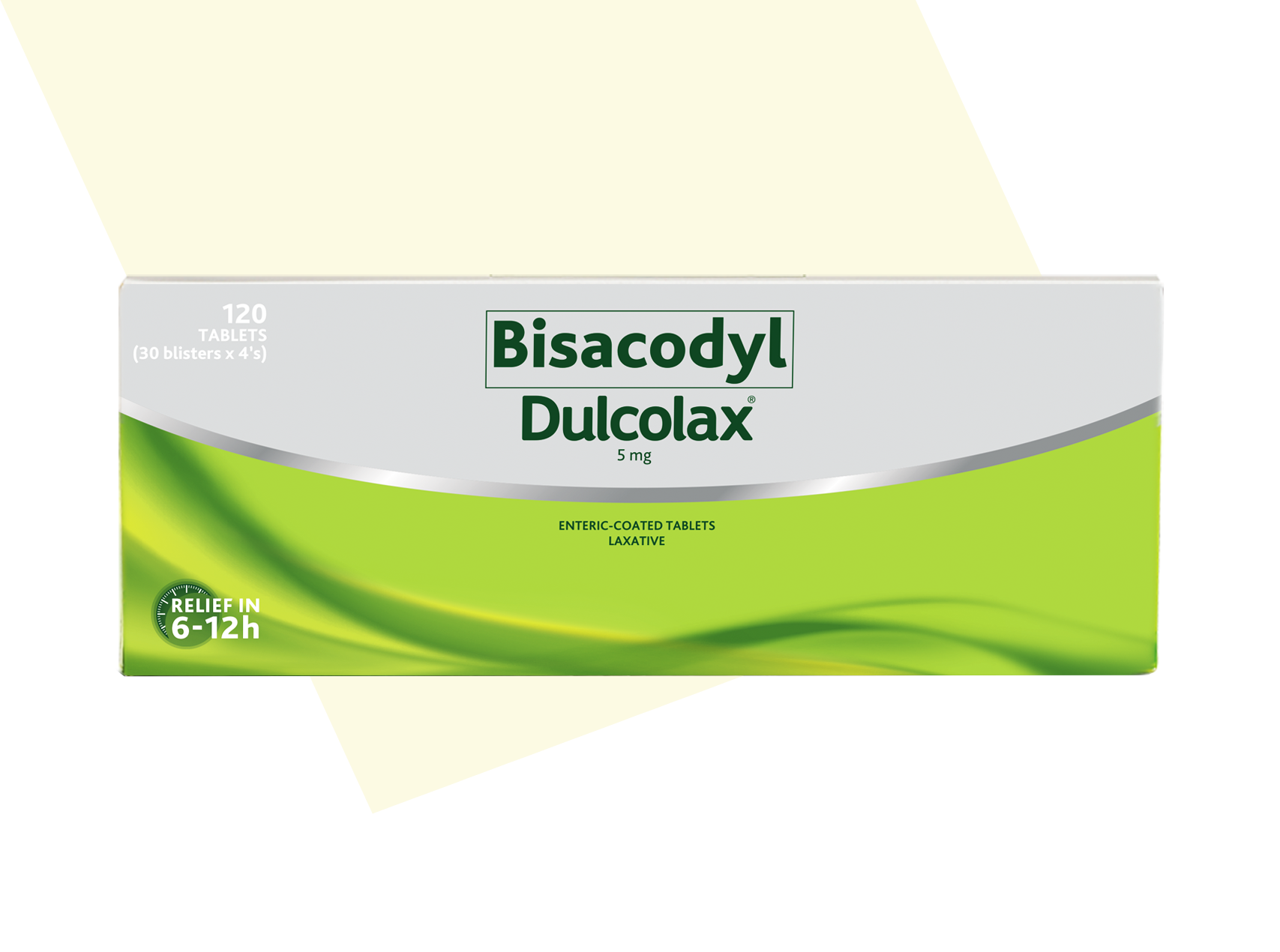
Bisacodyl (Dulcolax®) Laxative Tablets contain bisacodyl, a stimulant ingredient designed to help support bowel movement for occasional constipation. This type of laxative medicine typically works within 6-12 hours and may be helpful for overnight comfort.
Bisacodyl (Dulcolax®) Suppositories
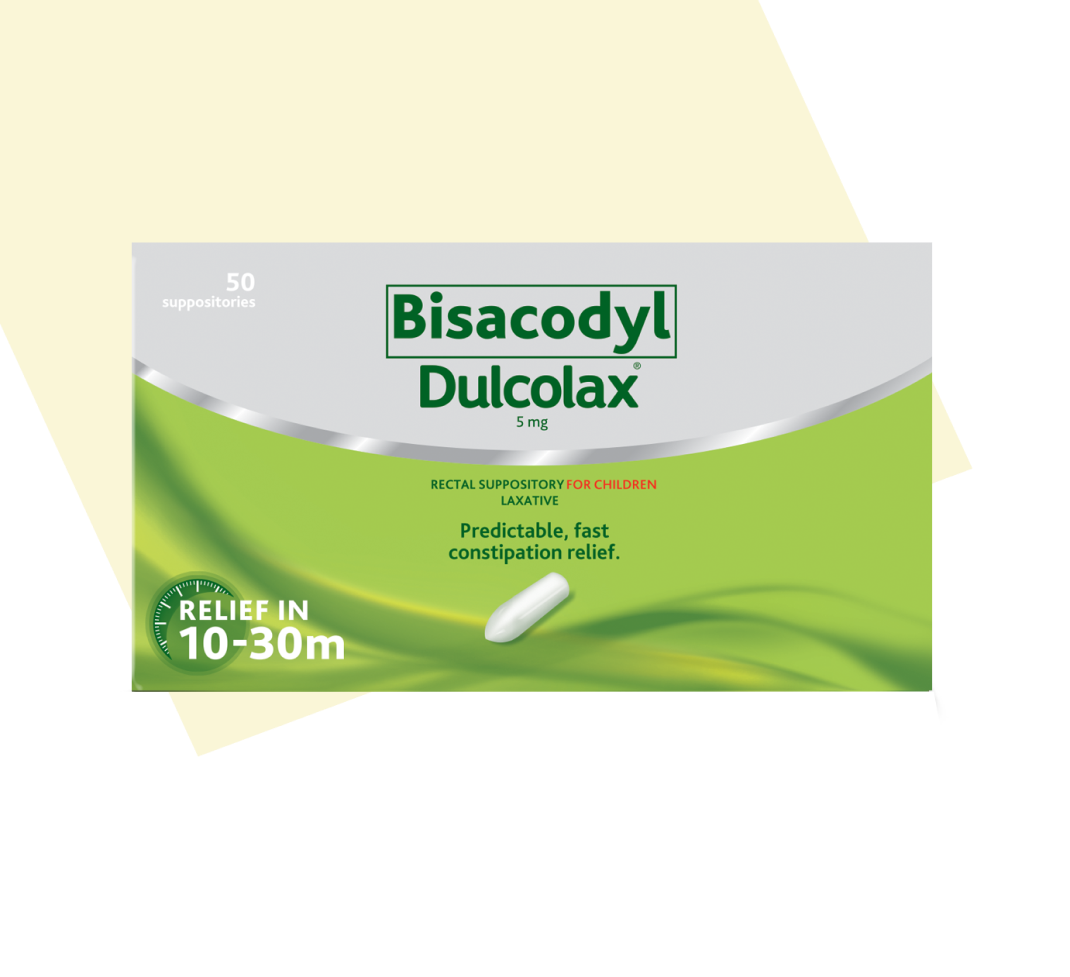
Bisacodyl (Dulcolax®) Suppositories help encourage bowel movement by supporting intestinal activity and are available in the Philippines. They are intended for occasional constipation and can provide urgent, fast relief within 10 to 30 minutes.
This option may be helpful for individuals seeking quick constipation relief. It is important to read and follow the product label and use only as directed for short-term use.
Safety Information
Before using any medicine for constipation, keep the following in mind:
- Consult a doctor if you have stomach pain, nausea, vomiting, or a sudden change in bowel habits lasting more than two weeks
- Stop use and seek medical advice if rectal bleeding occurs or if you do not have a bowel movement after using the product
- Pregnant or breastfeeding individuals should consult a healthcare professional
- Keep all medications stored safely out of reach of children
Frequently Asked Questions
Constipation medicine for adults includes products formulated to support bowel movement or soften stool. Options may include stimulant laxatives or stool softeners, depending on your symptoms.
Bisacodyl (Dulcolax®) stimulant tablets help encourage bowel movement by supporting intestinal activity. Additionally, Bisacodyl (Dulcolax®) suppositories help encourage bowel movement by supporting intestinal activity. Stool softeners help draw water into the stool to make it easier to pass. Both forms are intended for occasional constipation.
Laxative medicine is intended for short-term use. If you feel the need to use it often, consult a doctor to identify potential causes.
You may consider constipation medicine for adults when lifestyle habits-such as increasing fiber, staying hydrated, exercising, and establishing a routine—do not provide enough relief.
If constipation continues despite lifestyle changes or using medicine for constipation, seek medical advice to check for underlying concerns.
Conclusion
Digestive regularity is supported by a combination of healthy lifestyle habits and appropriate short‑term approaches when needed. Increasing fiber intake gradually may help avoid temporary bloating or digestive discomfort as the body adjusts1,5.
When occasional constipation occurs, constipation medicine for adults, such as stool softeners or stimulant laxatives, may provide support. If symptoms persist or become more frequent, consulting a healthcare professional is the best next step.
If symptoms persist, consult your doctor.
MAT-PH-2600785 / Ver 1.0 / DA 05-2026 / DM 05-2026
Opella Healthcare Philippines Inc.
Dulcolax® range of solutions
Dulcolax® products help your digestive system get moving, with different reliefs available: overnight relief and fast relief so you can feel good inside and out!
-
Dulcolax® Coated Tablets
Stimulates bowel movements by helping facilitate transit and evacuation of the stool overnight (between 6-12 hours)

Dulcolax® Adult Suppositories 10 mg
Stimulates bowel movements by helping facilitate transit and evacuation of the stool in about 20-30 minutes.
Dulcolax® Pedia Suppositories 5 mg
Stimulates bowel movements by helping facilitate transit and evacuation of the stool in about 20-30 minutes.
-
Dulcolax® Coated Tablets
Stimulates bowel movements by helping facilitate transit and evacuation of the stool overnight (between 6-12 hours)
-
Dulcolax® Adult Suppositories 10 mg
Stimulates bowel movements by helping facilitate transit and evacuation of the stool in about 20-30 minutes.
Dulcolax® Pedia Suppositories 5 mg
Stimulates bowel movements by helping facilitate transit and evacuation of the stool in about 20-30 minutes.
Stay informed
Constipation symptoms such as bloatedness, gassiness and hard dry stool can be extremely bothersome and persistent. Because we know how frustrating and stressful these periods can be, we can help identify the causes for constipation and how to prevent it.

What are the daily habits that can cause constipation?
Our daily life habits have a strong impact on our body functions, including our digestive system. The result may be that you get constipated. But a little goes a long way. Making simple changes to your lifestyle habits is the first step for most people.

How can getting older cause constipation?
As we get older, the bowel muscles in the digestive tract need a little bit more time to move food and stool through the intestines. The resulting constipation is a frequently reported bowel symptom in the elderly with considerable impact on quality of life. Understand how age can change your body and how to adapt to help yourself feel better.

Constipation during pregnancy – a common phenomenon
During pregnancy, certain hormones increase and trigger many changes in the body. Pregnant women frequently suffer from difficult and infrequent bowel movements, hard and dry stools, abdominal pain and discomfort. Although not dangerous in most cases, symptoms of constipation should be addressed properly.
- Slavin, J. L. (2013). Fiber and prebiotics: Mechanisms and health benefits. Nutrients, 5(4), 1417–1435. Link
- Popkin, B. M., D'Anci, K. E., & Rosenberg, I. H. (2010). Water, hydration, and health. Nutrition Reviews, 68(8), 439–458. Link
- Oettle, G. J. (1991). Effect of moderate exercise on bowel habit. Gut, 32(8), 941–944. Link
- Chrousos, G. P. (2009). Stress and disorders of the stress system. Nature Reviews Endocrinology, 5(7), 374–381. Link
- McRorie, J. W., & Fahey, G. C. (2015). A review of gastrointestinal physiology and the mechanisms underlying the health benefits of dietary fiber: Matching an effective fiber with specific patient needs. Clinical Nutrition Supplements, 34(4), 559–571.
If symptoms persist, consult your doctor.
MAT-PH-2600785 / Ver 1.0 / DA 05-2026 / DM 05-2026
Opella Healthcare Philippines Inc.