Simple Daily Habits That Can Help You Poop More Regularly
Want to poop more regularly? Simple habits like drinking enough water, eating fiber-rich foods, staying active, managing stress, and responding to the urge to go may help support healthy digestion. Learn what can contribute to irregular bowel movements and discover when constipation relief options may provide additional support.
Building simple daily habits such as drinking enough water, eating more fiber, moving your body, and honoring the urge to go, may help support more regular bowel movements. When lifestyle changes alone aren't enough, gentle constipation relief medicine can offer additional support. Small, consistent adjustments often make the biggest difference over time.
Occasional constipation is one of the most common digestive complaints, affecting up to 31% of the general adult population and up to 44.5% of older adults2. For many people in Indonesia and across Asia, busy routines, changing diets and irregular schedules can throw the digestive system off balance.
In this article, learn about a few mindful habits may help keep things moving comfortably.
.webp/jcr:content/Daily_Habits_card%20(1).webp)
 5 mins
Why Do Bowel Movements Become Irregular
Irregular bowel movements often happen when stool moves too slowly through the colon, becomes hard or dry and is difficult to pass. Common contributors include low fiber intake, dehydration, lack of physical activity, stress, and ignoring the urge to go7.
Daily habits have a strong impact on digestion. As Dulcolax® notes, "our daily life habits have a strong impact on our body's functions, including our digestive system," which can sometimes lead to constipation. The encouraging part is that small changes to your routine are usually the first step toward relief.
How to Relieve Constipation Naturally: 5 Daily Habit
Habit 1: Drink Enough Water Throughout the Day
Staying well hydrated may help soften the stool and make it easier to pass. When the body is low on fluids, the colon absorbs more water from waste, which can leave stool hard and dry7.
Try to sip water consistently across the day rather than all at once. Warm liquids in the morning, such as water or tea, may also help gently stimulate the digestive system for some people. Individual needs can vary depending on your activity level and the tropical climate.
Habit 2: Eat More Fiber-Rich Food
Fiber adds bulk to stool and may help it move more efficiently through the digestive tract. A diet rich in fruits, vegetables, whole grains and legumes can support more regular bowel movements8.
Locally available options like papaya, mango, leafy greens, brown rice and beans are excellent, accessible choices for those managing constipation through diet. Increase fiber gradually and pair it with adequate water, as adding fiber too quickly may sometimes cause bloating or gas.
Habit 3: Move Your Body Regularly
Physical activity may help stimulate the natural contractions of the intestines that move the stool along. Even light movement can make a difference8.
A brisk 20 to 30-minute walk, gentle stretching or light cycling on most days may help support digestive rhythm. Try adding a short walk after meals to build the habit into your routine.
Habit 4: Honor the Urge to Go
Ignoring the urge to have a bowel movement can, over time, make stool harder to pass. When you feel the signal, try to respond rather than delay7.
Establishing a consistent bathroom routine may also help. Many people find that their body responds best in the morning or shortly after meals, when the digestive system is naturally more active.
Habit 5: Manage Stress and Prioritize Sleep: The Gut-Brain Connection
Stress can influence digestion for some people because of the close connection between the gut and brain. This relationship, sometimes called the gut-brain axis, means that psychological stress may disrupt bowel patterns by affecting how the intestines move and respond5.
Poor sleep can also contribute to these disruptions. Simple practices like deep breathing, gentle stretching, or keeping a regular sleep schedule may support overall digestive comfort. Individual responses can differ from person to person.
When Daily Habits Need a Little Extra Help
Sometimes, even the most consistent natural routines need support to keep things moving smoothly. When occasional constipation strikes despite healthy habits, choosing the right relief for occasional constipation can help you feel comfortable again.
Bisacodyl (Dulcolax) is a constipation treatment that contains bisacodyl, a stimulant laxative designed to act directly in the colon3. It works by stimulating the colon to promote bowel movements and increasing water and salt flow into the intestines, which may help soften stool and ease constipation9. Depending on your needs, Dulcolax® offers different options:
- Dulcolax® Coated Tablets are designed for overnight relief, typically within 6–12 hours.
- Dulcolax® Adult Suppositories are intended for fast digestive relief, often in about 10 to 30 minutes.
Nonprescription laxatives like Bisacodyl (Dulcolax) are generally safe, effective, and widely tolerated by most people10. As with any medicine, use it as needed and according to the directions on the label. For persistent or severe symptoms, consult your doctor or pharmacist.
Why Trust Bisacodyl (Dulcolax)
Bisacodyl (Dulcolax) is a trusted non-prescription laxative brand in the Philippines and is available in more than 90 countries12. As a trusted constipation treatment, it has been rigorously tested and is recognized for its safety and reliability3. Backed by clinical research and decades of use, Bisacodyl (Dulcolax) aims to provide gentle, predictable relief so you can face each day feeling more comfortable and in control.
Conclusion
Supporting regular bowel movements often comes down to a handful of simple, consistent daily habits such as staying hydrated, eating fiber-rich foods, moving your body, honoring the urge to go and manage stress. These small changes may make a meaningful difference over time. And when occasional constipation still gets in the way, a trusted option like Bisacodyl (Dulcolax) can provide gentle, predictable relief.
As the one of the most trusted non-prescription laxative brands in the Philippines and Bisacodyl (Dulcolax) aims to help you feel comfortable and confident again. For persistent or severe symptoms, always consult your doctor or pharmacist.
If symptoms persist, consult your doctor.
MAT-PH-2601274 / Ver 1.0 / DA 09-2026 / DM 09-2026
Opella Healthcare Philippines Inc.
Frequently Asked Questions
Drinking enough water, eating more fiber-rich foods such as papaya, mango and leafy greens, staying physically active and responding promptly to the urge to go may help support more regular bowel movements. These daily habits work best when practiced consistently. Individual results can vary depending on diet, lifestyle, and other personal factors.
Foods that are high in dietary fiber may help ease constipation by adding bulk to stool and supporting intestinal movement8. Locally accessible options include papaya, mango, leafy greens, brown rice, beans, and other fruits and vegetables. Whole grains are also a practical addition to a fiber-supportive diet. Pair any increase in fiber intake with adequate water to help avoid bloating or gas.
Stress can influence digestion because the gut and brain are closely connected, a relationship known as the gut-brain axis5. Psychological stress may affect how the intestines function and disrupt regular bowel patterns for some people. Managing stress through relaxation, regular sleep, and gentle movement may support digestive comfort, though individual responses can differ.
Lifestyle changes like adding fiber, drinking more water, and exercising may take several days to a few weeks to show noticeable effects. Consistency is key. If constipation persists despite these efforts, consider speaking with a healthcare professional for personalized advice.
When healthy habits aren't enough, a constipation relief medicine like Bisacodyl (Dulcolax) may help. It contains bisacodyl and is designed to stimulate the colon, with tablets offering overnight relief and suppositories offering fast digestive relief in about 10 to 30 minutes3,9.
Water needs vary from person to person based on activity level, body size and climate. In a warm, tropical environment, you may need more fluids to stay hydrated. Sipping water steadily throughout the day may help soften the stool and support digestion.
Nonprescription laxatives like Bisacodyl (Dulcolax) are generally safe, effective, and widely tolerated when used as directed10. They are intended for occasional use to relieve constipation. For ongoing or unclear symptoms, consult your doctor or pharmacist for guidance.
Dulcolax® range of solutions
Dulcolax® products help your digestive system get moving, with different reliefs available: overnight relief and fast relief so you can feel good inside and out!
-
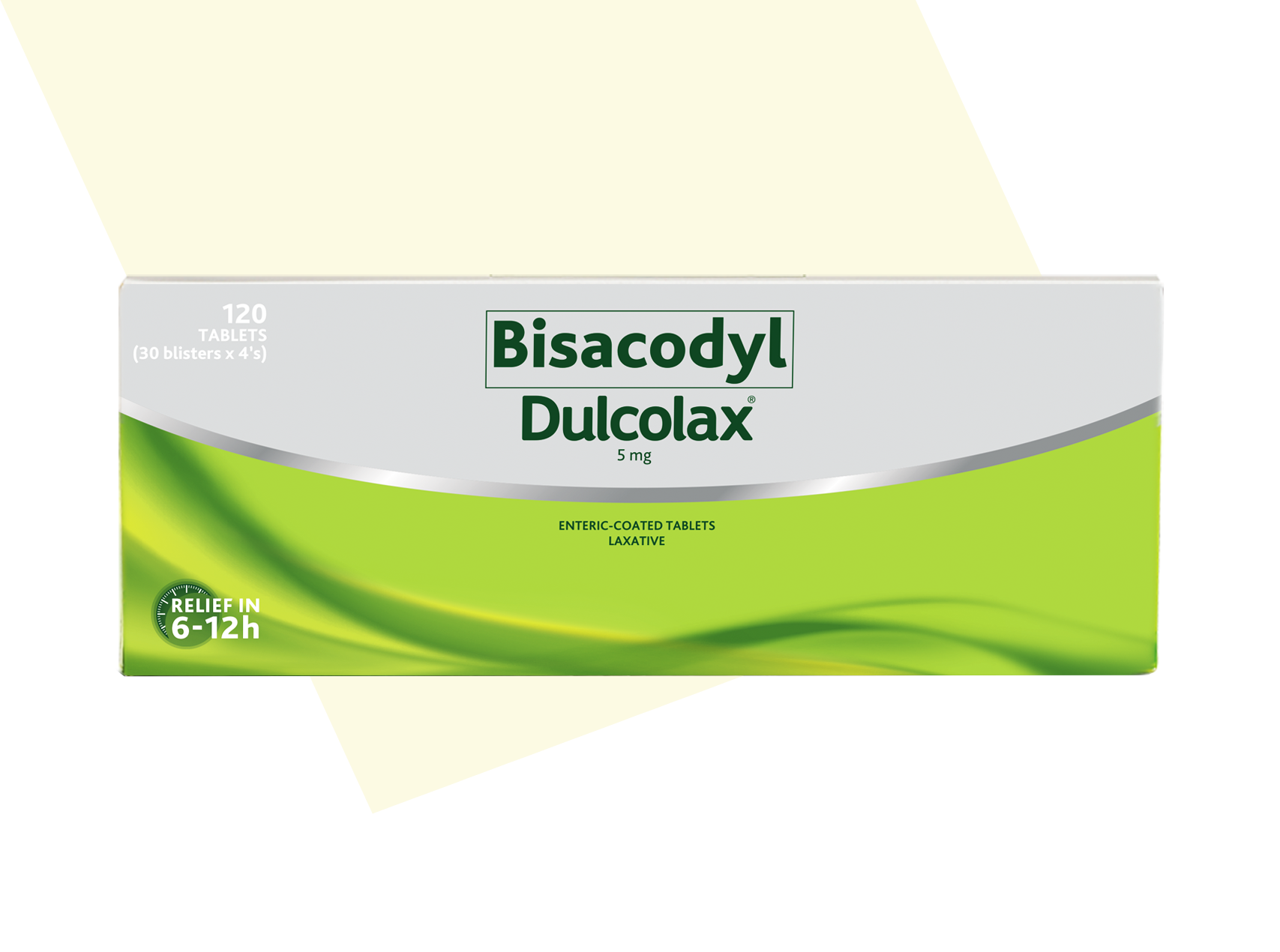
Dulcolax® Coated Tablets
Stimulates bowel movements by helping facilitate transit and evacuation of the stool overnight (between 6-12 hours)

Dulcolax® Adult Suppositories 10 mg
Stimulates bowel movements by helping facilitate transit and evacuation of the stool in about 20-30 minutes.
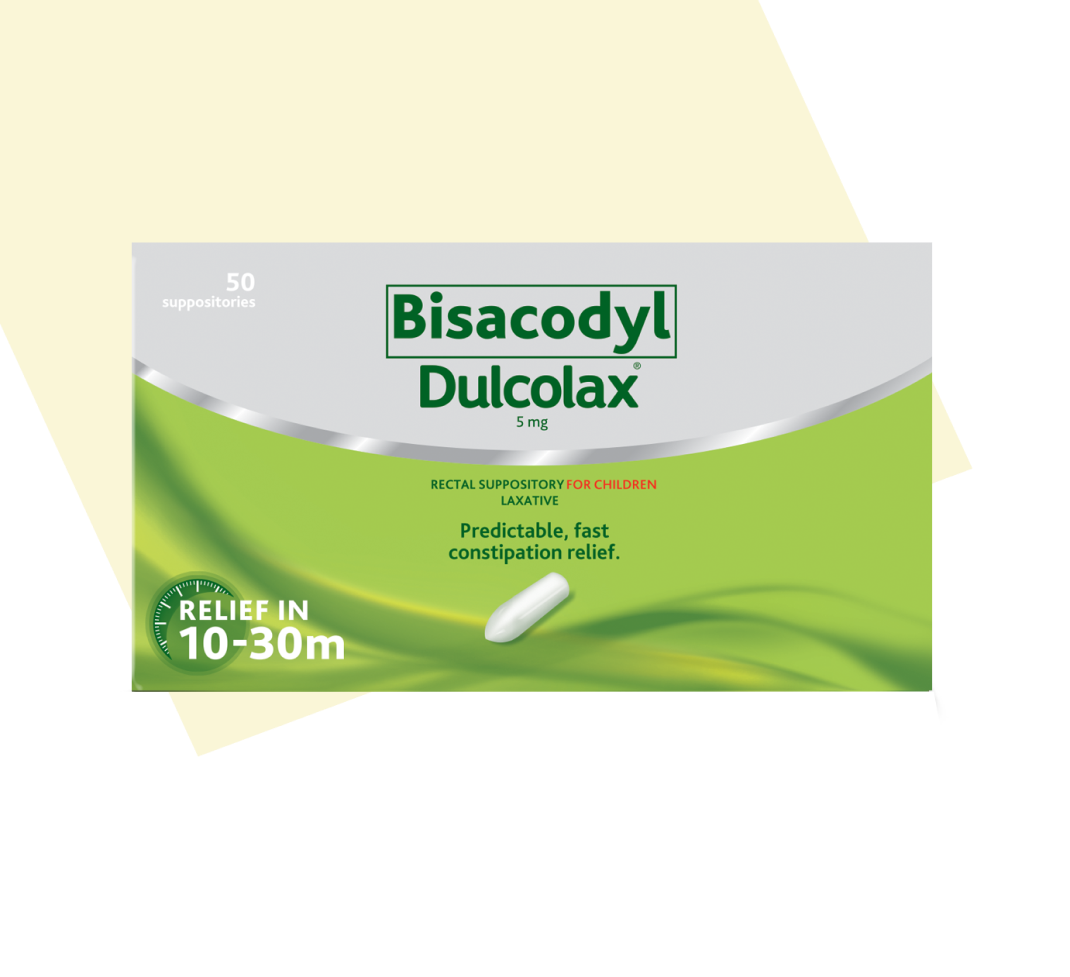
Dulcolax® Pedia Suppositories 5 mg
Stimulates bowel movements by helping facilitate transit and evacuation of the stool in about 20-30 minutes.
-
Dulcolax® Coated Tablets
Stimulates bowel movements by helping facilitate transit and evacuation of the stool overnight (between 6-12 hours)
-
Dulcolax® Adult Suppositories 10 mg
Stimulates bowel movements by helping facilitate transit and evacuation of the stool in about 20-30 minutes.
Dulcolax® Pedia Suppositories 5 mg
Stimulates bowel movements by helping facilitate transit and evacuation of the stool in about 20-30 minutes.
Stay informed
Constipation symptoms such as bloatedness, gassiness and hard dry stool can be extremely bothersome and persistent. Because we know how frustrating and stressful these periods can be, we can help identify the causes for constipation and how to prevent it.

How to Manage Constipation During Busy Work or School Days
Tips to relieve and prevent constipation on busy days

5 Everyday Habits
Stress can disrupt your digestive system, leading to issues like bloating and constipation. This article explores how stress impacts gut health and highlights practical tips and overthecounter options that may help support digestion and relief.

Stress and Digestion
Stress can take a toll on your digestive system, contributing to discomfort and constipation. Discover the link between stress and gut health, plus simple tips and over-the-counter relief options that may help support smoother digestion.

Fiber or Laxatives for Constipation Relief: Which Should You Choose?
Fiber vs. laxatives: How to choose the right constipation relief
- Wald, A., Scarpignato, C., Mueller-Lissner, S., Kamm, M. A., Hinkel, U., Helfrich, I., Schuijt, C., & Mandel, K. G. (2008). A multinational survey of prevalence and patterns of laxative use among adults with self-defined constipation. Alimentary Pharmacology & Therapeutics, 28(7), 917–930. https://doi.org/10.1111/j.1365-2036.2008.03806.x
- Werth, B. L. (2019). Epidemiology of constipation in adults: Why estimates of prevalence differ. Journal of Epidemiological Research, 5(1), 37–49. https://doi.org/10.5430/jer.v5n1p37
- Kamm, M. A., Mueller-Lissner, S., Wald, A., Richter, E., Swallow, R., & Gessner, U. (2011). Oral bisacodyl is effective and well-tolerated in patients with chronic constipation. Clinical Gastroenterology and Hepatology, 9(7), 577–583. https://doi.org/10.1016/j.cgh.2011.03.026
- Müller-Lissner, S. A., Kamm, M. A., Scarpignato, C., & Wald, A. (2005). Myths and misconceptions about chronic constipation. American Journal of Gastroenterology, 100(1), 232–242. https://doi.org/10.1111/j.1572-0241.2005.40885.x
- Camilleri, M., Ford, A. C., Mawe, G. M., Dinning, P. G., Rao, S. S., Chey, W. D., Simrén, M., Lembo, A., Young-Fadok, T. M., & Chang, L. (2017). Chronic constipation. Nature Reviews Disease Primers, 3, 17095. https://doi.org/10.1038/nrdp.2017.95
- Corsetti, M., Landes, S., & Lange, R. (2021). Bisacodyl: A review of pharmacology and clinical evidence to guide use in clinical practice in patients with constipation. Neurogastroenterology & Motility, 33(10), e14123. https://doi.org/10.1111/nmo.14123
- Andresen, V., & Layer, P. (2018). Medical therapy of constipation: Current standards and beyond. Visceral Medicine, 34(2), 123–127. https://doi.org/10.1159/000488695