How Stress Affects Your Gut and What You Can Do About It
Topic:
Stress can disrupt the gut–brain axis, slowing digestion and contributing to constipation. Lifestyle habits like movement, relaxation, sleep, fiber, and hydration support gut health. When stress-related constipation persists, short-term options such as stimulant laxatives or stool softeners may help restore bowel comfort.
Your gut and brain are constantly in communication, and the effects of stress on your digestive system can be stronger than many people expect1. If you’ve ever experienced stomach tightening before a big presentation, felt “butterflies” during an important moment, or noticed slower digestion during a demanding week, you’ve already felt how closely connected the mind and gut are.
Growing research shows that psychological stress may influence gut motility, bowel habits, and stool consistency—and in some individuals, it may contribute to occasional constipation1. Understanding how unhealthy lifestyles and stress affect gut health can help you choose helpful routines and the right constipation medicine for short‑term support when needed.
This guide explains how stress affects digestion, how to improve gut health, and what constipation relief options may be helpful when lifestyle changes alone are not enough.

 5 mins
The GutBrain Axis: Your “Second Brain” at Work
Inside your digestive tract is a system known as the enteric nervous system (ENS), which houses millions of neurons. Because of its complexity, some experts refer to it as the body’s “second brain.” This second brain communicates constantly with your central nervous system through a network known as the gutbrain axis2.
This two-way system means:
- Your mental and emotional state can influence gut motility, digestion speed, and stool formation.
- Your gut health can influence stress levels, mood, and overall comfort.
When stress increases, the brain sends signals that can disrupt normal intestinal motility. This may lead to changes in bowel habits over time, including harder stools or less frequent bowel movements.2.
What Constipation Can Look Like
Constipation appears in different ways depending on your habits, diet, and stress levels. Common signs include:
- Straining during a bowel movement
- Hard, dry, or lumpy stools
- A feeling of incomplete evacuation
- Fewer than three bowel movements per week
Red‑flag symptoms—including blood in the stool, weight loss, or constipation lasting longer than three weeks—should be evaluated by a healthcare professional.
How Stress Contributes to Constipation
When you experience stress, your body activates the “fight, flight, or freeze” response, shifting its resources toward immediate survival. Digestion becomes a lower priority, and several changes may occur:
Slower Gut Motility
Stress can reduce smooth muscle contractions in the intestine, slowing stool movement.
Harder Stools
Chronic stress can slow the movement of stool by suppressing smooth muscle contractions in the intestine, primarily through activation of the sympathetic nervous system.
Changes in Diet and Hydration
Stress may lead to skipped meals, reduced fiber intake, or increased consumption of convenience foods—patterns that are common in busy households and fast-paced work environments.
Increased Muscle Tension
Tension in the abdominal or pelvic floor muscles can make it more difficult to have a comfortable bowel movement.
While occasional stress-related constipation is common, persistent cases should be evaluated by a doctor.
Lifestyle Habits That May Improve Gut Health
Daily habits greatly influence digestive comfort. These strategies may help support regularity and improve gut‑brain communication, especially during stressful periods3.
1. Stay Physically Active
Regular movement supports healthy digestion. Activities such as walking, stretching, light jogging, or yoga can help promote intestinal activity and support regular bowel habits. For those with busy schedules, even short activity breaks can be beneficial.
2. Practice Relaxation and Mindfulness
Relaxation techniques can help regulate the gutbrain axis3. Useful methods include:
- Deep breathing exercises
- Progressive muscle relaxation
- Guided meditation
- Mindfulness apps or audio guides
- Cognitive behavioral therapy (CBT)
These can help reduce stress levels, which may in turn support gut function.
3. Maintain a Consistent Sleep Routine
Irregular sleep patterns can increase stress hormones and may affect digestion. Adults are generally encouraged to aim for seven to nine hours of sleep each night.
4. Choose FiberRich Foods
Fruits, vegetables, whole grains, legumes, nuts, and seeds provide essential fiber that helps soften stools and supports regular bowel movements.
Foods common in many Filipino households—like papaya, oatmeal, kangkong, brown rice, and bananas—are naturally rich in fiber.
5. Stay Well Hydrated
Water helps fiber work effectively. Insufficient hydration can contribute to firmer stools and slower digestion.
6. Avoid Delaying the Urge to Go
Ignoring the urge to have a bowel movement can weaken natural reflexes. Establishing a routine—such as going at the same time each morning—may help support normal bowel habits.
When Lifestyle Changes Aren’t Enough
Stress-management strategies support longterm gut health, but they may not provide immediate comfort2. For occasional constipation, some individuals may consider an over-the-counter constipation treatment as short-term support.
Dulcolax® Laxative Tablets
Dulcolax® Laxative Tablets contain bisacodyl, a stimulant laxative that relieves constipation in 6-12 hours, and may be taken at night for overnight relief. This constipation medicine encourages reactivation of healthy natural bowel movement by stimulating intestinal activity.
Safety Information
Before using any constipation medicine:
- Consult a doctor if you experience stomach pain, nausea, vomiting, or a sudden change in bowel habits lasting more than two weeks.
- Stop using and speak to a doctor if rectal bleeding occurs or if you do not have a bowel movement after using the product.
- Individuals who are pregnant or breastfeeding should seek medical advice before using it.
- Keep all medications out of reach of children.
Frequently Asked Questions
Yes. Stress can influence the gut‑brain axis, which may reduce intestinal movement and contribute to harder stools or less frequent bowel movements.
Options depend on the symptoms. Stimulant laxatives such as Dulcolax® Laxative Tablets may help support bowel movement for occasional constipation.
It often improves once stress levels stabilize and healthy habits resume. If constipation lasts longer than three weeks, seek medical advice2.
Laxatives are intended for occasional, short-term use. Regular use should be discussed with a doctor.
Final Thoughts
Stress and digestive health are closely connected. Supporting your emotional well-being, maintaining healthy routines, and choosing appropriate constipation relief options when needed can help restore comfort and support everyday gut health.
For occasional constipation, Dulcolax® offers over-the-counter options designed to help support bowel movement. If symptoms continue, consulting a healthcare professional can help identify the next steps tailored to your needs.
If symptoms persist, consult your doctor.
MAT-PH-2600785 / Ver 1.0 / DA 05-2026 / DM 05-2026
Opella Healthcare Philippines Inc.
Dulcolax® range of solutions
Dulcolax® products help your digestive system get moving, with different reliefs available: overnight relief and fast relief so you can feel good inside and out!
-
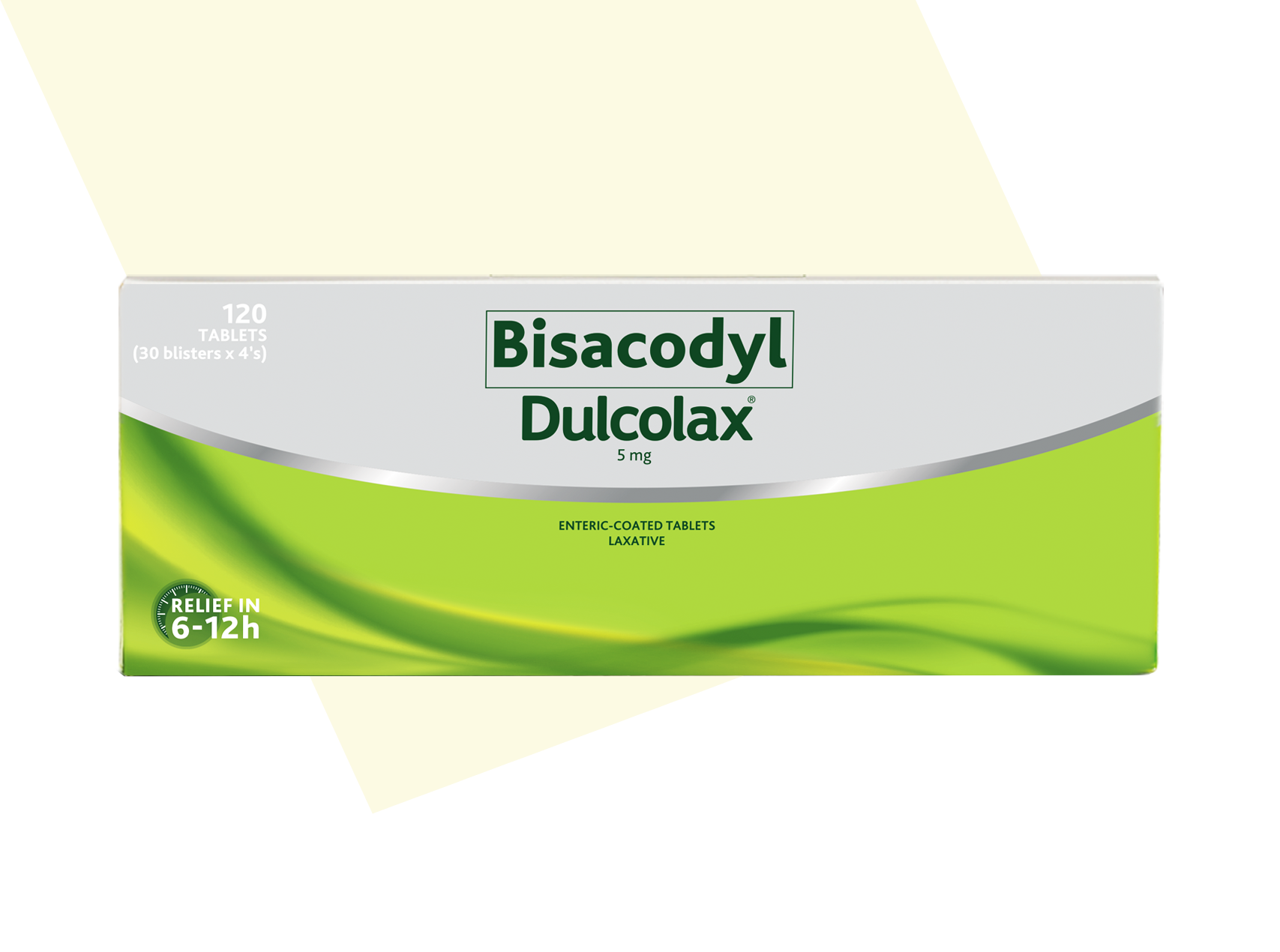
Dulcolax® Coated Tablets
Stimulates bowel movements by helping facilitate transit and evacuation of the stool overnight (between 6-12 hours)

Dulcolax® Adult Suppositories 10 mg
Stimulates bowel movements by helping facilitate transit and evacuation of the stool in about 20-30 minutes.
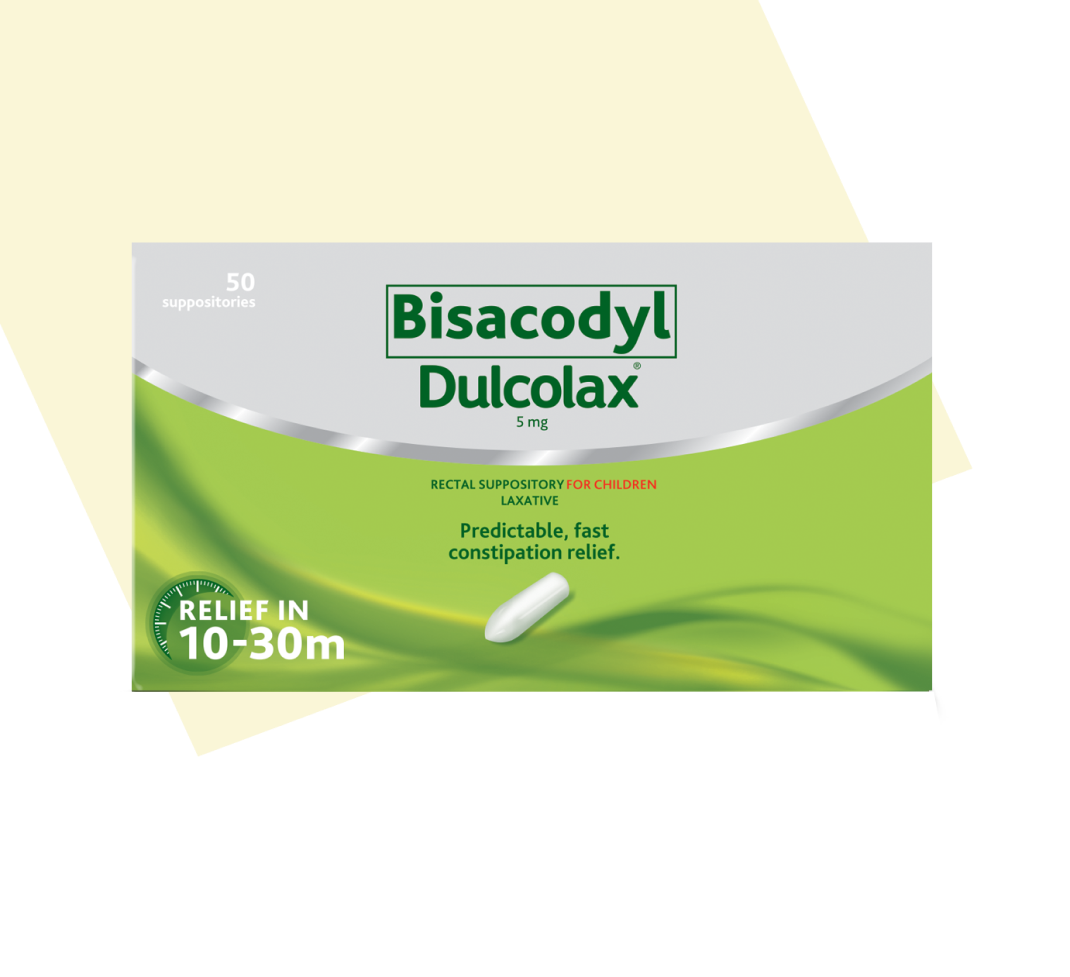
Dulcolax® Pedia Suppositories 5 mg
Stimulates bowel movements by helping facilitate transit and evacuation of the stool in about 20-30 minutes.
-
Dulcolax® Coated Tablets
Stimulates bowel movements by helping facilitate transit and evacuation of the stool overnight (between 6-12 hours)
-
Dulcolax® Adult Suppositories 10 mg
Stimulates bowel movements by helping facilitate transit and evacuation of the stool in about 20-30 minutes.
Dulcolax® Pedia Suppositories 5 mg
Stimulates bowel movements by helping facilitate transit and evacuation of the stool in about 20-30 minutes.
Stay informed
Constipation symptoms such as bloatedness, gassiness and hard dry stool can be extremely bothersome and persistent. Because we know how frustrating and stressful these periods can be, we can help identify the causes for constipation and how to prevent it.

What are the daily habits that can cause constipation?
Our daily life habits have a strong impact on our body functions, including our digestive system. The result may be that you get constipated. But a little goes a long way. Making simple changes to your lifestyle habits is the first step for most people.

How can getting older cause constipation?
As we get older, the bowel muscles in the digestive tract need a little bit more time to move food and stool through the intestines. The resulting constipation is a frequently reported bowel symptom in the elderly with considerable impact on quality of life. Understand how age can change your body and how to adapt to help yourself feel better.

Constipation during pregnancy – a common phenomenon
During pregnancy, certain hormones increase and trigger many changes in the body. Pregnant women frequently suffer from difficult and infrequent bowel movements, hard and dry stools, abdominal pain and discomfort. Although not dangerous in most cases, symptoms of constipation should be addressed properly.
- Cryan, J. F., & Dinan, T. G. (2012). Stress & the gut-brain axis: Regulation by the microbiome. Current Opinion in Gastroenterology, 28(6), 559–565. Link
- Moloney, R. D., Johnson, A. C., O'Mahony, S. M., Dinan, T. G., Greenwood-Van Meerveld, B., & Cryan, J. F. (2016). Stress and the gut microbiota-brain axis. Behavioural Pharmacology, 27(2), 136–144. Link
- Ford, A. C., Lacy, B. E., & Talley, N. J. (2017). Systematic review with meta‐analysis: Stress‐management interventions for patients with irritable bowel syndrome. Alimentary Pharmacology & Therapeutics, 46(2), 106–120. Link